There was a considerable push for aircraft diesels in the 1930s.
It had several advantages, at least in theory, over gasoline.
One was less danger in a crash. While this may have been true burns in the crash were heavily out numbered by the crash injuries.
The German flying boats (and some of the airliners) used diesels because the combined weight of the engines and fuel for longer ranges was less than for gas engines. 1930s gasoline engines not being particularly economic with fuel and late 20s, early 30s gas engines (mainly 9 cylinder radials) not being all that much lighter than the diesel engines. spending 300-500lb per engine for around a 25% savings in fuel might have been considered a good trade. Gasoline engines increased power faster than the Diesels did which allowed for increased size of the aircraft and the balance remained with the gasoline engines. Trying to build 1200hp aircraft diesels for a diesel DC-3 wasn't going to work well in 1939-41.
Cold weather operations of diesels was also not easy. Gasoline is still useable as you approach 40 degrees below zero. Diesel gets harder to pump. Cold air also means the engines get hard to start.
Problems also include vibration. Peak cylinder pressure is higher than spark ignition, which means heavier construction.
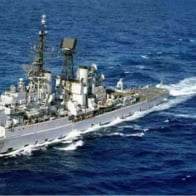
The greater weight of diesel engines will not usually have a particularly large effect on ship design - while the steam turbine/boilers/reduction gearing will generally weigh significantly less per HP than the diesel - the diesel engine arrangement will normally take up significantly less hull volume.
The key here is
normally. A low/medium speeds the diesel shows a significant advantage. For high speed it flips. When you need double the power to go just a few knots faster you have double the size of the engine rooms. Diesels do not scale well and they do (or did) not take to overloading well. A high power steam plant can be fairly compact, it will be inefficient in fuel burn (and smoky and may require more maintenance.)
A problem for the Germans is when do you convert your gasoline based motor transport system to diesel? Granted rail was still well over 90% coal and river traffic was also mostly coal. But light/medium trucks? And you need to start converting in the mid 1930s (if not earlier) without disrupting production too much.
Tanks have a lot of their own requirements. Weight of the engine/s is almost insignificant. A extra 100-200kg in the engine out of 10ton tank or more? What is significant is the size of the engine that you have to enclose in the armored envelope. Weight of the armor could be more than the weight of the larger diesel engine. While torque is important to tanks, the amount of torque transmitted in a given gear is also important. A gear or shaft transmitting 1000ft/lbs of torque at 500rpm needs to larger and heavier than a gear or shaft transmitting 500ft/lbs of torque at 1000rpm. Germans used more smaller gears. Maybe they did chose wrong.
A lot of the German light/medium trucks used basically car engines.
the famous Opel Blitz trucks first used a 3.5 liter flat head 6 cylinder engine that was produced on machinery GM had shipped to Germany in early 1930s from a defunct Buick model.
In 1937 they used a 6 cylinder overhead valve engine also used by the Opel Admiral car.
maybe a small 4/6 cylinder diesel would have been a better military vehicle, But how many would have been made/sold to the public during the 1930s?
I don't thinly you are going to get a 1 to 1 replacement rate on the gasoline vehicles. What is the trade off between better fuel economy and few vehicles (lift capacity).


 www.tankarchives.ca