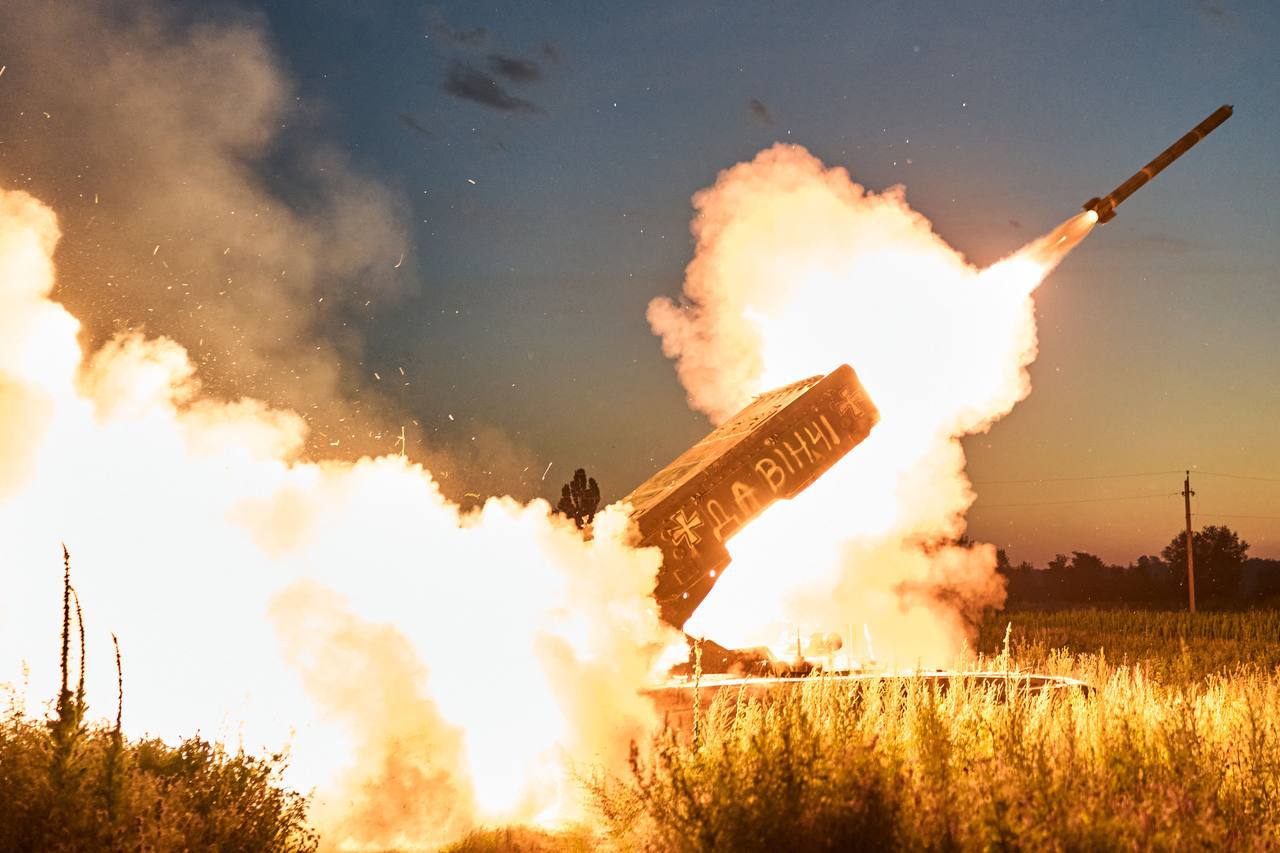
Ukraine has already used cluster munitions (as designed) against Russian forces. Some were domestic stock, some came from Turkey.
Nobody seemed to complain about those instances, but now that Ukraine is about to receive some from the U.S., it's become a problem.
Why?
I think there are a number of reasons.
People
have been complaining about both sides using cluster munitions and that's been covered fairly widely - in the European press at least.
Cluster Munition Use in Russia-Ukraine War
Ukraine war: Evidence shows widespread use of cluster munitions in Kharkiv
The criticism of the USA stems because it is allied to a whole host of NATO (and wider nations) who've banned their manufacture, export or use - and who would probably have been expected the USA administration to have paid some regard to their predictable reaction and negotiated around it or come up with an alternative. (And in that context, people might reasonably ask, as much as Ukraine says it wants and needs cluster munitions, does it want or need them more than other things that the US can provide - those long asked for extra HIMARS, M1s, Bradleys, mine clearance vehicles and systems, Patriots etc? )
I don't think this controversy is really about whether cluster munitions have already been used by both sides or not. Its about an overt decision to actively adding new supplies of a weapons system that so many other western democracies have outright banned, into an active war zone wherein further escalation remains a real risk. Either way, it clearly risked driving a wedge where a unified front is so important - and it has. Perhaps not an important one as yet, but its a definite first crack in a unified approach, and that cannot be good.
As for Turkey. Is their supply of cluster munitions a fair comparison to the USA? Turkey is not a member of the EU (having been actively rejected for a host of reasons) and remains something of a lone state, having flirted with all power blocks in recent years,
including Putin's Russia. Under Erdogan, its not rated by just about western nation as a fully functioning democracy either, given the crackdown on a free press. It actions as an outlier nation are hardly likely to attract as much attention or or surprise as compared to that of the worlds most powerful NATO member - and nominal leader of the free world to boot. American foreign policy, for good or bad,
always really matters to western democracy. Turkey's much less so.
There are really two battlefields. One is in the streets and fields of Ukraine. The other is in the minds of voters in nations which have seen the price of oil, gas, electricity and food skyrocket, recession hit and interest rates soar at the same time governments are taking more from the public purse to increase military spending. These are also people on the front line of threat if the war escalates. Citizens willingly bearing that load has a lot to do with the feeling that they are 'playing their role' as part of a greater collective and that the cause is morally worthy. But if this starts to be perceived as a war between the Russia and the USA by proxy, and not as a coalition, there's the very real risk that public support is going to wane. The irony of that will be a moral and financial burden slipping even further towards a USA which might be delivering an entirely different policy towards the Ukraine post elections anyway.
If the USA wants a coalition of willing nations to present a unified front in support of the Ukraine, it needs to consider the wider ramifications of actions like this. Perhaps it has. But it wouldn't be the first time in recent years it has managed to completely misjudge public opinion beyond its borders.
Lets hope this story becomes tomorrows chip paper soon enough.