Shortround6
Lieutenant General
Has anyone ever heard of a designer of a different looking aircraft ever saying his design was stall and spin prone?

Follow along with the video below to see how to install our site as a web app on your home screen.
Note: This feature may not be available in some browsers.


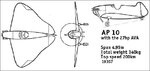
. I have always wondered why they never flew at least a test programs on it. Many designs where the power had to change direction from the crankshaft suffered from vibration.
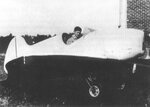
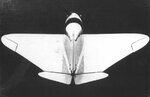
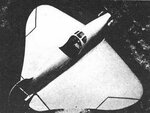
The Payen low-aspect ratio planes had very good performance for the installed power. The PA-22 achieved 224 mph from 180 hp.
View attachment 507775
A Cessna 172 RG can only WISH it could do as well, and it has retractable gear. The Payen Pa 49 Katy. is shown below.
View attachment 507776
There might be a few hang glider and powered trike pilots that dispute that.Note that to this day, not a single tail-less all-wing has produced a safe, reliable utilitarian plane that was other than highly risky, experimental, not at all ready for the consumer.

Pretty sure the combat record and performance of the B-2 blows that assumption out of the water...Note that to this day, not a single tail-less all-wing has produced a safe, reliable utilitarian plane that was other than highly risky, experimental, not at all ready for the consumer.
This includes the Horten sport gliders before/during/after the war, the 229, the modern Horten HX-2 with wing-tip fins, and it includes the B-2.
Have their planes been certified as airworthy by appropriate authorities, or sold or used long-term by other than the designers and other test pilots, or sport pilots willing to sign waivers and take their chances?There might be a few hang glider and powered trike pilots that dispute that.

Yes, yes, and yes.Have their planes been certified as airworthy by appropriate authorities, or sold or used long-term by other than the designers and other test pilots, or sport pilots willing to sign waivers and take their chances?
Note that to this day, not a single tail-less all-wing has produced a safe, reliable utilitarian plane that was other than highly risky, experimental, not at all ready for the consumer.
This includes the Horten sport gliders before/during/after the war, the 229, the modern Horten HX-2 with wing-tip fins, and it includes the B-2.
Hang gliders. Right. "Not under FAA jurisdiction". I did say utilitarian airworthy planes. Ultralights too, though they're not sold as certified planes. Hardly anyone builds lifting bodies or tailed all-wings anyway.
And it does fit the B2. Only 20 made, already being phased out and horribly expensive, all are besides the point of aeronautics I was making.
The crew are highly trained highly paid military officers, probably test pilots in their own, and they only ride sealed into ejection seats so that they can get out at any moment. If they have damage or problems & stall and start to spin, there's nothing for it but to get out, and that's not safe, reliable, utilitarian.
The military has no problem putting crews into horrendous death traps and the contractors and military big-wigs sing their praises and throw money at them to keep them flying.
Obviously, anything without a tail.Which aircraft are you classifying as death traps and based on what criteria?
Cheers,
Biff
Hang gliders. Right. "Not under FAA jurisdiction". I did say utilitarian airworthy planes. Ultralights too, though they're not sold as certified planes. Hardly anyone builds lifting bodies or tailed all-wings anyway.
And it does fit the B2. Only 20 made, already being phased out and horribly expensive, all are besides the point of aeronautics I was making.
The crew are highly trained highly paid military officers, probably test pilots in their own, and they only ride sealed into ejection seats so that they can get out at any moment. If they have damage or problems & stall and start to spin, there's nothing for it but to get out, and that's not safe, reliable, utilitarian.
The military has no problem putting crews into horrendous death traps and the contractors and military big-wigs sing their praises and throw money at them to keep them flying.
It's not a question about it fitting the mission, it's about it being a safe forgiving aerodynamic design, and without extensive expensive training and especially computerized control maintaining stability and flyability, it isn't.To expand a little on the B-2... it is front-line hardware that fits a mission profile that no other aircraft in the Air Force inventory can do.
Additionally, only one B-2 has ever been lost during flight, and it was due to condensation in one of it's sensors, causing an error in calibration which in turn caused erroneous airspeed and AoA during take-off - a condition the pilots couldn't correct...this all being covered in Buff and SR's posts above.