Well, it could go this way: not everyone (that was in charge for this or that) was a 'true believer' into the SP artillery case, so not many of those were built, maybe one hundred by the time UK declared the war?
Not a 'mark of desperation', but more of 'the war might be starting; if works in real combat - fine, we'll build more (and/or better stuff); if not - we did not spent too much of money, and the hulls guns can be reused'.
I've already stated that the limber would be towed behind (80 rounds, if I've counted correctly), and some quantity of the ammo can be carried on board. The dedicated ammo vehicle could be used, and it was used in German units operating the 10,5/Mk VI combo; it was based upon the Mk IV itself, and was also towing a trailer. The German version was not towing a limber, so the separate ammo vehicle was necessity; the 10,5cm ammo being more voluminous anyway.
The artillery units will get what it takes to be proper units: command posts, radio links etc.
If you haven't seen it yet try this web site;
British Artillery in World War 2
Many pages and while you might not agree with everything it does provide a very good over view of artillery in general.
There is a distinct difference between an armored gun used for direct fire assaults and self propelled artillery or "mechanized" artillery. For an artillery battery or battalion to be truly "mechanized" not just the guns but a very large part of the battery/battalion must be mechanized. It does no good to get the guns across 20 miles of sandy dessert if half of the radios, field phones, and meteorological section are left behind. Every sub unit or section in the Battery/battalion needs the same mobility.
Somebody once said the shells are the weapon, the guns are just the delivery system. An artillery howitzer or gun is expected to fire 5000-10,000 rounds before needing a new liner. Towing un-armored trailers of ammo behind the tracked armored SP gun is a sure indicator that something wasn't planned well. Granted proper use of even armored SP guns calls for them to thousands of yards from the front lines.
Artillery fire often calls for time fuses and in the case of howitzers instead of guns, zone charges. towed guns have 6 or more in the gun crew in order to handle all the tasks, A
GOOD SP artillery piece is going to have room for a gun crew of 4-6 men to work and serve the gun including ammo preparation. This means more than one loader. One man cannot unpack, fuse, adjust fuse timing and load the gun while keeping up any sort of rapid fire rate. Having to adjust the zone charges on Howitzers just adds to the confusion/slows the rate of fire.
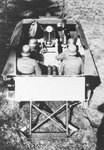
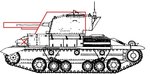
Armored boxes on the top of tank hulls are fine for putzing around but as the British found with the Bishop:
Bishop (artillery) - Wikipedia, the free encyclopedia
They are far, far from ideal. The Sexton may have been less than ideal ( no top cover, not as much ammo as desired, height made bombing up difficult, more?) but a battery of Sextons could provide fire to a much, much larger area than even several batteries of Bishops. Which is the better buy?
In peace time take the time to get it right, To much time,effort, and money was spent on half-**sed solutions that were "cheap" but of dangerously limited actual ability.