A few notes by the Germans:
- bombers (not including the Ju 87*), as well as the Ju 52 are noted as having the aluminium (IOW light) alloys representing 50% of the empty equipped weight; the coversion to the greater steel usage was hoped to make that down to 35%
- fighters, like the Bf 109 and Fw 190, were with 36% of light alloys weight; conversion was hoped to bring that down to 235 for the 109, and, if the fully-steel wing is made for the 190, the % of light alloys can be brought down to just 12% of the empty equipped weight
- fighters might even be made completely from steel
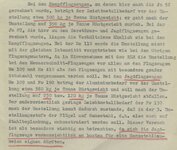
* Ju 87 was at almost 50%
One of the changes from the Ju 252 to the 352 was the implementation of teh mixed construction vs. the light alloys predominant on the 352.
The switch towards steel was supposed to make a huge impact on the manhours requirement for an aircraft. They stipulated that, on just ten Si 204 aircraft, 11.2 tons of the light alloys can be saved with, presumably, implementation of steel where possible, and with that, 500 000 (!!) manhours.
(my guess is that the manhours saving came both from the easier manufacturing of iron/steel/etc, as well as the production of the aircraft itself)
The change from the Al to Fe was to supposed to cost 1 million of manhours - basically, by 20th A/C, the investment in manhours required to switch has paid off.
Weight increase was judged to be 2% for most of these conversions, with Fw 190 being at 3% if the steel wing is also included.
Germans hoped that they will be able to keep the aluminium alloy use for aircraft production same between the late 1942 (when the plans were dated) and early 1944, despite the plans to much increase the production of aircraft. They were also plans to reduce the % of light metals in the engine production, but these were much more modest, at least the ones for the time between the late 1942 and early 1944.
Light alloys were more than double the price than steel, ratio of 1.5 vs. 3.2 per ton of material I've seen mentioned;. Obviously, a lot more of sheets and other semi-finished products can be made from a ton of steel than from a ton of light alloys, further increasing the price difference between the two materials in aircraft building.
Arado was asking less money for an airframe
for a heavy transport aircraft if it is made with 1200 kg of light alloys' semi-finished products per unit, vs. what they asked for a 30% lighter Ar 432 airframe that used 4265 kg of light alloys' semi-finished products per unit. Arado disagreed on the manhours required, though, the 'light alloyed' Ar 432 was supposed to require a lot less of manhours per a kg of airframe; their math does not include the savings amounted before the material is shipped to them.



