
Navigation
Install the app
How to install the app on iOS
Follow along with the video below to see how to install our site as a web app on your home screen.
Note: This feature may not be available in some browsers.
More options
You are using an out of date browser. It may not display this or other websites correctly.
You should upgrade or use an alternative browser.
You should upgrade or use an alternative browser.
"All of Vlad's forces and all of Vlad's men, are out to put Humpty together again." (25 Viewers)
- Thread starter XBe02Drvr
- Start date
More options
Who Replied?

MiTasol
Major


fubar57
General


Russia's missile plan is on track — pause in strikes isn't coming, Ukraine's deputy intel chief warns
Read more
Key points:
- Russia is ramping up missile strikes. In July, it launched 153 cruise missiles and 198 ballistic and hypersonic missiles. In the future, Russia may reduce the number of missiles it targets at a single site, but it is unlikely to pause its strikes. This will depend on its production capacity.
- Production targets exceeded. Russia is currently meeting production targets for its main missile types at 110-120% per month. Its annual production target for Zircon and upgraded Onyx missiles was met in seven months.
- Focus on new Shaheds. Moscow plans to produce 11,000 strike UAVs of various types in August. It is now reconfiguring production with a focus on turbojet-powered Geran-4 and Geran-5 drones.
- Targets of the attacks. Russia is concentrating its strikes on Ukraine's defense industry, logistics, and energy facilities that support logistics and port infrastructure. The aggressor is also targeting civilian infrastructure in an attempt to spread panic and destabilize the country.
- Kinzhal production on hold. The increase in ballistic missile production was partly enabled by the suspension of Kinzhal and Kh-32 production in April. Funds and components were redirected to other missile types considered more accurate.
- A Starlink equivalent. Moscow is developing its own equivalent of the system, called Rassvet, and is deploying it much faster than originally planned. For now, it can operate only intermittently, when a satellite passes over Ukrainian territory.

Ukraine May Be Just the Ally America Needs
The country Trump once disdained as a burden has become a military powerhouse.
Ukraine kills 13 in drone attack on Russian city of Nizhnekamsk
Russian investigators say they have opened a criminal case into what they qualified as a terrorist attack 800km east of Moscow, saying that Ukraine had struck residential areas and that a child was among those civilians killed.
 www.abc.net.au
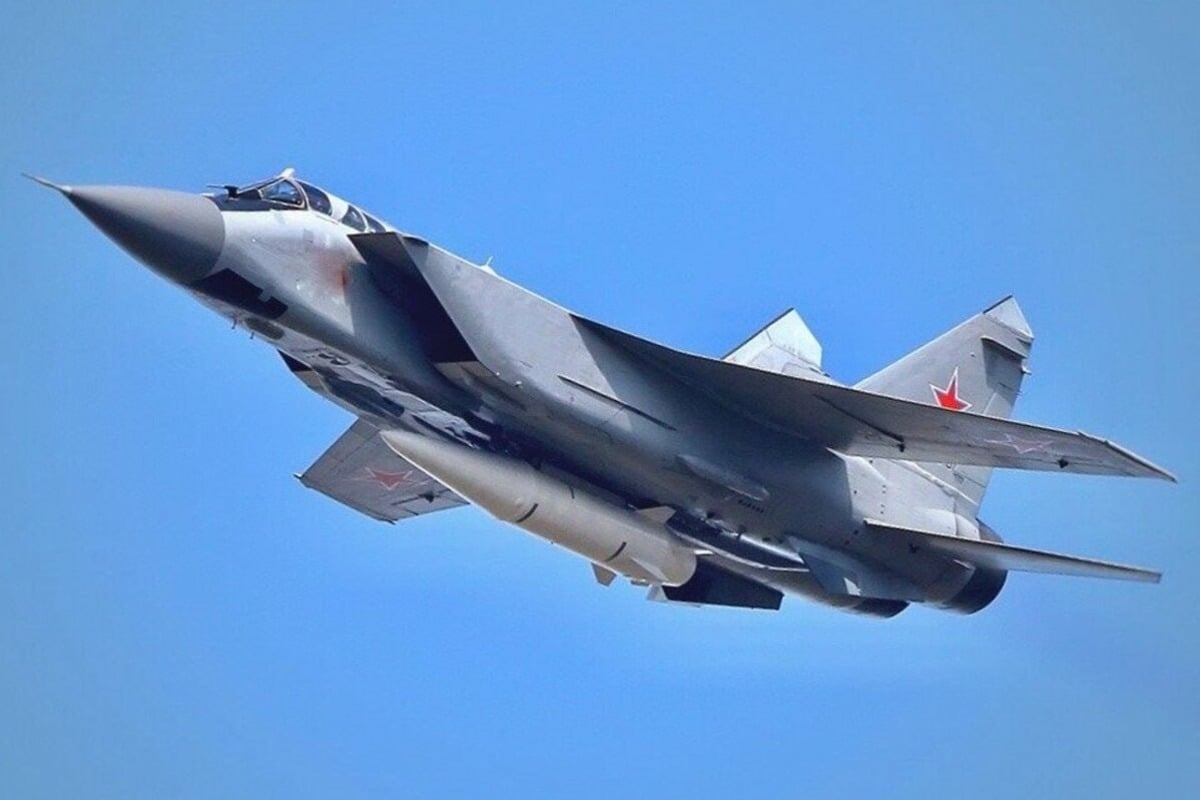
Ukrainian intel: Russia paused Kinzhal missile output
Russia's prized "unstoppable" hypersonic missile has gone dark, and Ukrainian military intelligence says Moscow pulled the plug on purpose to feed a different weapon entirely. Vadym Skibitsky, deputy head of Ukraine's Defense Intelligence Directorate, known by its Ukrainian acronym HUR,

Expert: Russia’s Arena tank defense wasn’t the failure it seemed
A Russian tank that Ukrainian and Western observers had already written off as another failed experiment in anti-drone armor may actually have done exactly what it was built to do, just not enough of it. New battlefield testimony from a
Tangentially related: Poland and Baltics shield infrastructure, fearing a Russian false-flag strike
Users who are viewing this thread
Total: 26 (members: 0, guests: 26)
Similar threads
- Replies
- 43
- Views
- 4K


- Replies
- 0
- Views
- 297
- Replies
- 1
- Views
- 544


- Replies
- 5
- Views
- 1K
