cvairwerks
Staff Sergeant
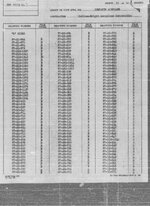
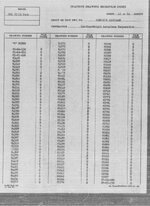
Air Corps library is a mix of 75, 81 and 87 prefix drawings.

Follow along with the video below to see how to install our site as a web app on your home screen.
Note: This feature may not be available in some browsers.
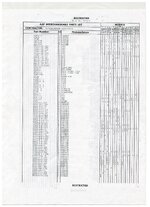
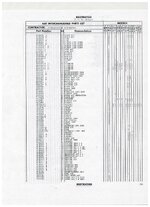
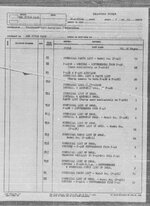
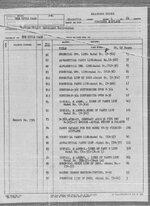
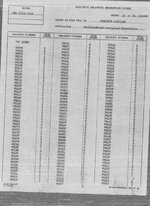
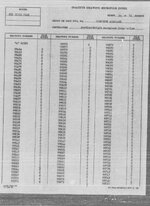
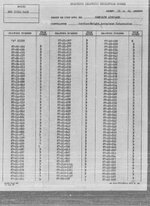
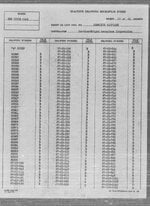
I have a subscription to the air corp library, their scans are really good. I haven't found a drawing master list yet but that may just be me. It is interesting the majority of the structural drawings for the P-40B and C are 87 drawings. I will have to extract the data from the parts catalogue and do an analysis to tell you the exact percentage but most seem to be 87 drawings. I don't understand exactly how the Curtiss drawing system works but there are obviously 75, 81 and earlier drawings as well as the 87 drawings.For digital copies of the Curtiss drawings aircorpslibrary.com is probably your best bet but I do not know if they have any 81- drawings. I think they only have 87- (D and later) drawings.
Someone else on the forum did a C model CAD model but I cannot remember who.
Yes I am familiar with this from Piper Cub drawings that I have. I have found that this isn't always up to date. We obviously don't necessarily know what the final revision state and potential modifications were and we can have earlier versions of the drawings with an earlier modification state, but for earlier models that is helpful. The Parts Catalogue explains the high level drawing system but obviously the P-40C should in theory be 81 or earlier but it isn't? My plan is to analyse what drawings from the parts catalogue are contained within the drawing library. Interestingly for British aircraft there are also a lot of standards used. We have AGS for example which is Aircraft General Stores, this in broad terms is equivalent to ANS. There are also manufacturer standards, for example A std drawings for Hawker Aircraft, this can encompass fasteners, extrusions, rolled sections, forgings etc. believe it or not there are some A std components that are fitted to Hurricanes and Harriers! There is also cross references between manufacturers, for example Vickers made various units like oil filters, fuel cocks etc known as Vicker General Spares (VGS). You can find VGS in Hawker Aircraft like the Hind and Hurricane. I have no idea if this is the case for US manufacturers and more specifically Curtiss Wright in this case. If there are any draughtsmans handbooks for Curtiss Wright available that would answer a lot of the questions.The prefix on a drawing, for most manufacturers, will tell you what basic aircraft the drawing was originally done for. WACO and pre-WW2 Lockheed were great reusers of previous parts designs. For example with WACO, some of the drawings were used on more than a dozed different model aircraft. Early Lockheed and Detroit-Lockheed did the same thing. The Vega, Sirius, Altair and Orion share numerous part numbers.
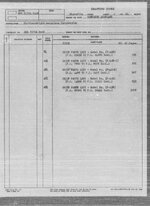
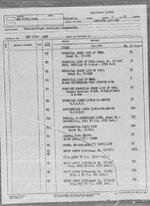
What will help you, even without a master index, is reading the effectivity or use on blocks. Here's an example from my AT-21 stuff. This particular drawing was only effective for the XAT-13 and 14 and what would have been the production verion of the AT-13. It was the quickest one I found that was for multiple models and was legible when zoomed. Also, in this case, the parts get used on the 751000L and R assemblies for the XAT's and would have been used on the same for the AT. Doesn't always work that way though.
View attachment 896250
Yes I am aware of the L-5 wings, only because a super nice chap in Alaska helped me interpret the Aircraft movement card for my L-4 who is an L-5 expert. I can well believe the F-16 takes some getting your head around after being in service for nearly 50 years now. I used to work for Airbus and legacy technical reference systems present a challenge for a product that can stay in operation for half a century. Some currently supported models started out with microfiche and hard copy print libraries that were manually updated by humans. That has all long gone and everything needs to be IT based, but that is a challenge with IT systems having a maximum lifecycle of a decade and some far less. I think some of the modifications in the later P-40 models could be safely incorporated into a restoration. I know of a P-40K-10 that was restored as a -5 which has a complete different rear fuselage and tail. I suspect there would be very little change to weight and balance as a result.Something to keep in mind is that the IPC's and master parts indexes are not always created as the aircraft is in production. Often, the most correct versions are ones that are put together after the model is out of, or nearing the end of production. I've got the IPC for my Stinson and my Fairchild, but there are definately differences for both, based on document revision dates. There are about 4 or 5 different wing designs for the L-5, and not all are in the IPC, but they are backward interchangable. There are lots of installation changes based on both model and serial number. The only way I found out about the additional wing designs was going thru the effectivity blocks and assembly BOM's. The Fairchild has things like drawings for battery installations in both nacelles, but the production AT got batteries in the forward bomb bay.
Working on the F-16 was my first aircraft where Application Lists and Parts Lists were current for every aircraft in production. You had to get good at reading the AL's and PL's, because they incorporated Block numbers, ownership designinations and type-version identifiers. Same drawing might cover as many as 10-15 different type-versions, only differing by part dash number or hardware callouts. It would take us about 10-12 weeks to get a new hire to the point they could reliably read them.
Perhaps you think of this?Someone else on the forum did a C model CAD model but I cannot remember who.
 ww2aircraft.net

That's great many thanks!I think you will find that the interchangeable parts catalog for Curtiss Wright Fighter ( and O-52) will answer a lot of your questions. It is TO 01-25-7. It covers all fighters from P36A and H75 series up to P40E-1. The H75 series has more in common with the H81 rather than the later H87 series.
I think you will find that the interchangeable parts catalog for Curtiss Wright Fighter ( and O-52) will answer a lot of your questions. It is TO 01-25-7. It covers all fighters from P36A and H75 series up to P40E-1. The H75 series has more in common with the H81 rather than the later H87 series.
Unfortunately, I only have a hard copy and there are 300 pages - each of which is in a plastic sheath.
Yeah. Been there and converted such files to PDF. Produces much anger and frustration and self abuse - especially if the photocopy is single sided pages with two to a sleeve. I always end up with mixed up pages and having to go back and resort them. One I posted here had a page come loose at some stage and had a big greasy boot print on it. I was what is politely called not amused.
Even bigger pain when foolscap or folio pages have been copied on shorter paper and then there are often two copies of each page to scan and merge. Much worse when they copied to A4 and cropped off the top and/or bottom of the page.
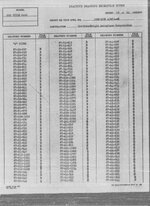
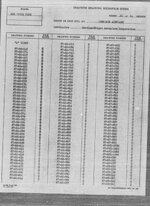
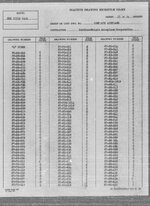
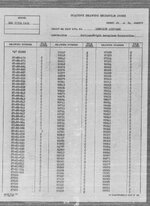
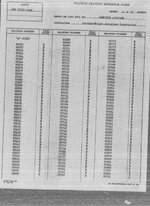
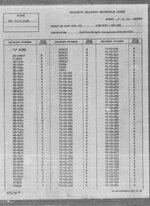
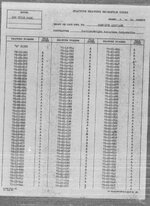
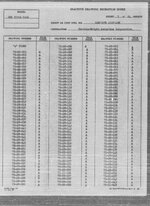
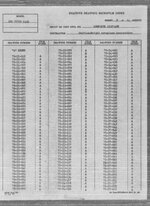
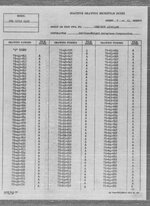
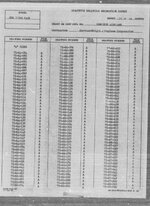
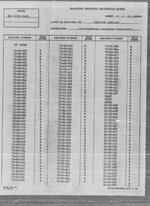
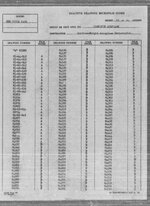
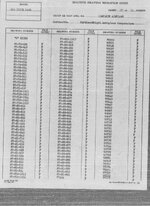
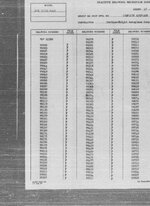
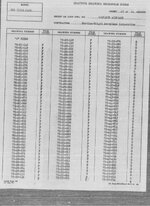
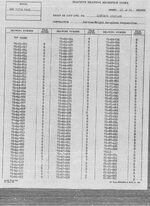
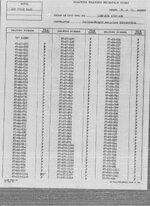
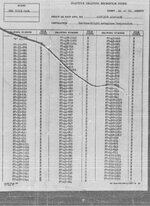
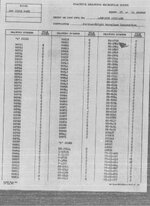
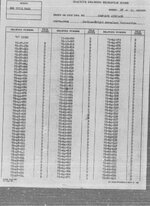
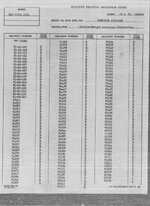
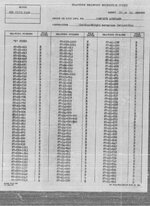

That's a very interesting drawing, I have stitched it together if anyone wants it on one sheet.Something a bit more interesting than pages of numbers.