Thanks for getting into the weeds on this, its the only way to move the conversation forward.
Shooting down FW 190s that are trying to intercept the bombers you are escorting (even if the bombers are other P-40s) is different than shooting down tip and run raiders, They have no interest in combat. They want to get in, drop the bomb and get out. Now if we look hard enough we can find that probably a number of aircraft happened to shoot down one or more tip and run raiders simply by being in the right place at the right time, doesn't mean they were good at it.
So here's the thing - most of their encounters with FW 190s were exactly that, Jabos on fast hit and run raids - Fw 190Gs mostly as you'll note in the post upthread.
I don't know the exact German TO & E but there seems to have been at least two types of FW units. JG 2 was around for a while flying at least some fighter missions, other SKG units were flying only fast Jabo strikes, on ships, tanks, airfields etc.
In Aug 1943 Shores shows a total of 72 Fw 190s in 3 such SKG units with 49 operational.
He also shows 158 Bf 109s operational out of 246.
Anyway point being
they seem to have been dealing with 190 Jabo hit and run raids. I don't know how effective in terms of protecting targets but they inflicted casualties and the text mentions FW 190s dropping their ordinance early and sometimes on their own troops. On the other hand they did also hit and sink ships, bomb Allied troops and supplies and etc. they certainly weren't 100% stopped by any means.
If the Typhoon is better than the Spitfire of the same time and if the Spitfire is as fast as the P-40 why are we to believe the P-40 can do what the Spitfire cannot do on a consistent basis as far as chasing down tip and run raiders.
Beats me though this is 1943 so Spit IX and VIII are also shooting them down.
Chasing and catching FW 190 does require speed but diving will get any of these planes going 500+ mph which puts you at Sea Level pdq but also means if you are above a fighter that just dived you can dive on it.
If you are the one pursued being able to out turn your antagonist gives you another option. Maybe due to weight the P 40 retained dive speed better than a Spit V I don't know.
We also seen to be spreading the time line out. The Early Typhoons employed against the tip and run raiders had pretty much standard protection.(self sealing tanks BP windscreen some armor behind the seat and perhaps another piece or two) By the time of Normandy they Typhoons doing the bombing and rocketing had hundreds of extra pounds of armor. But hey, the P-40 is more maneuverable and doesn't need armor against ground fire because it is a harder target? While flying slower?
Since the Typhoon was never used in Italy we don't know it's survival rate against AA in that theater.
Maybe AAA us more concentrated in NW Europe but I'd like to see data showing that. I think you are overstating the vulnerability of the P 40 which was hardly known as fragile, also aside from the issue of agility the Tiffy is also a bit bigger isn't it? And with a touchier engine.
And before we start up with the the Germans used the same AA guns in both theaters, it isn't so much the guns but the quantity/scale of issue. Or perhaps it is better to say the number of AA guns per sq mi of territory flown over.
Again you might have something there but I'd like to see data as Italy and Yugoslavia don't sound like "mild flak" environments based on pilot accounts.
We also need to remember that while the channel was only 20 miles wide in one spot it was over 100 miles wide in a lot of other areas.
P-40s acting as fighter bombers may have had a much more restricted area of action than the Typhoons.
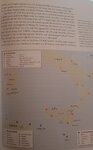
Please see this map of Allied and Axis bases in the Med in Summer 1943. Note for example the 325 FG base at that time in Mateur Tunisia is 120 - 150 miles away from targets in Sardinia where they routinely operated. It also shows the bases for 324, 33 and 57 FGs.
There were differences in the two theaters and it wasn't just escorting B-17/B-24s.



