Even small towns.
In the 1930s it only took a small building and a few hundred yards of "runway", rolled dirt and mowed grass. Sometimes the "airports" were only 5-15 miles apart. Air taxis were a common way for some pilots to generate some revenue.
Much less common in Europe but back then airliners only flew at a few thousand feet.
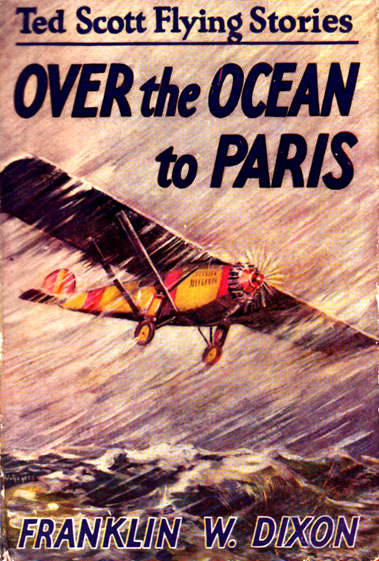
IN the US there were a number of books for boys with aviation heroes, like

en.wikipedia.org
and a number of "pulp fiction" magazines like ""flying Aces"
I am sure that other nations had similar books/magazines.
But there is a huge difference between reading about flying (or even going for a 10 minute ride at a county fair) and learning how to shoot from one airplane to another.
My other Grandfather was actually a machine gun instructor in the Army in WW I. I am not sure if he ever flew. He taught enlisted men how to service the guns. Teardown, fix/repair, lubricate and reassemble. Mostly in Texas, he never left the US.
Air transport in the US was of considerable importance in the 1920s and 30s. Not in the number of passengers carried but just for the boost in communications in general. Like air mail.
It was
possible to drive many places in the US. Key word he is "Possible" in 1927 of the 2321 miles of Rt 1 from Elsworth Maine to Key West Florida 203 miles were city streets, 1062 miles were hard surfaced, 683 miles were gravel or sand-clay and 348 miles were graded and drained earth. the small remainder was bridges and unimproved. Things improved a lot in the late 20s and 30s but this was RT 1, the major north/south road of the eastern United States.
The US did not have density of railroads that Britian and Western Europe did and distances were much longer. 3-8 passenger aircraft helped bridge some of the gaps.