Hi
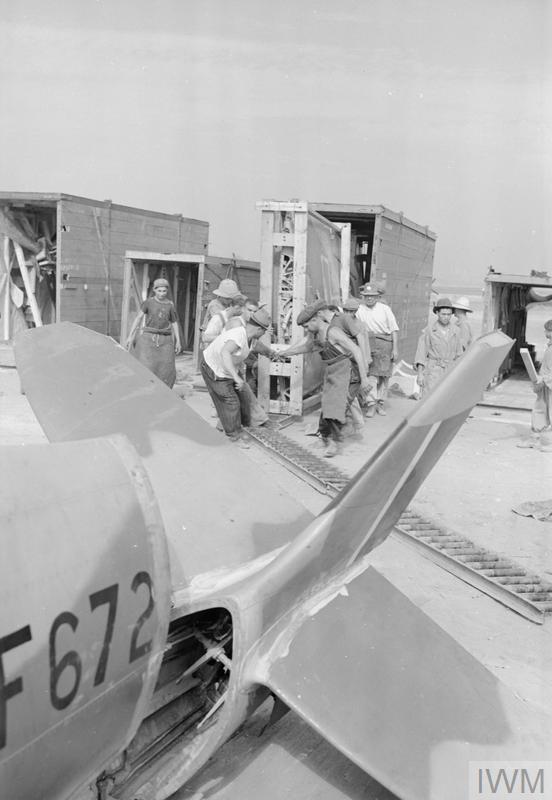
The Spitfire was built in sections and joined together (as with most aircraft designed for wartime production), the 'tail' was a separate unit to the main fuselage and could be replaced if the damage was aft of the construction joint, if the damage was on the joint then that is more work. Below is an image of Supermarine's Itchen works during 1939 where fuselages were put together, note the fuselages with and without the tail unit fitted:
View attachment 681321
If the Hurricane was hit and only the fabric or wood covering were hit then it was easier to repair as these were not 'strength' structures for the aircraft. If the steel tubing was hit then that was a much bigger job as that carried the main structural strength. If the metal wings of the Hurricane were damaged then it would have been a very similar repair job to the Spitfire.
Wartime production meant that aircraft were split up into sub-assemblies to be manufactured in a dispersed system (the British had to allow for production to continue even if factories were bombed, not something US manufacturers had to worry about), it was used for even the largest aircraft including the Lancaster, which could be split into Queen Mary trailer loads. Example below from p.451 of Aeronautical Engineering' edited by R. A. Beaumont, published during WW2, showing the sub-assemblies of the Beaufighter:
View attachment 681326
Mike