
Britain built a new naval dockyard at Singapore between the wars to support a large fleet to be sent East in the event of war with Japan. It opened in 1938 but construction went on into 1941. It had the world's largest dry dock (King George VI dock) plus AFD9 (55,000 ton lift) plus another smaller cruiser sized AFDI know Manila didn't have a drydock sufficient to hoist even a Standard American BB of the era, and it lacked the fuel storage for ongoing operations. I can't speak with any authority about Singapore's facilities. I do know that both hypothetical bases were in Japanese air range, and both lacked adequate air defenses. Not a good place to park valuable naval assets. So yes, damaged American ships would likely return to PH, holing up in Manila only to make them seaworthy for the voyage, but no permanent repairs.
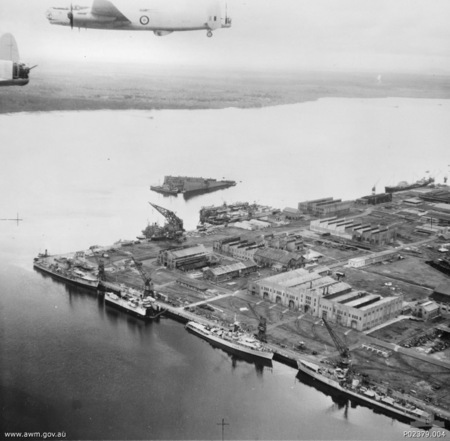
Singapore Naval Base - Wikipedia
National Library Online
As custodian of Singapore’s documentary heritage, the National Library, Singapore collects, preserves and makes accessible our digitised and born-digital content for present and future generations
 eresources.nlb.gov.sg
It had oil fuel storage for about 1.3 million tons of oil fuel for ships and extensive warehousing for naval stores. There were extensive defensive gun batteries up to 15" and also anti-aircraft guns including c40 3.7" AHA weapons placed strategically around the island. There were also 4 airfields on the island. Unfortunately most of the aircraft allocated to the theatre were mostly less than modern (Buffalo fighters, Blenheim bombers, Vildebeest biplane torpedo bombers).
The Cavite yard in the Philippines on the other hand only had access to a cruiser sized floating dock and other dry docks for destroyers and submarines. The Asiatic Fleet had two fleet oilers to haul oil from refineries in the DEI (Balikpapan) to keep whatever storage existed at Cavite topped up.
The differences between the two bases is one reason for Britain trying to persuade the US Pacific Fleet to move part of its available ships in early 1941.


