I dont see such a survey as being useless....the engagement ranges (and all the other factors you mention) are a variable that contributes to the outcomes, and hence the average number of hits needed to knock out the tank. Thats what OR does, it is a "results driven" statistical analysis.
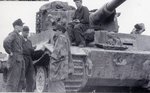
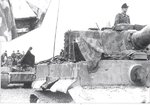
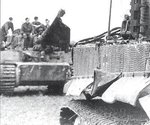
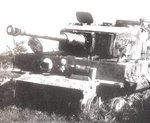
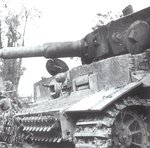
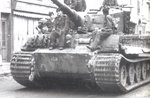
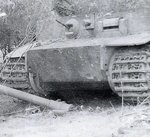
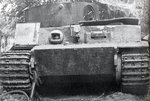
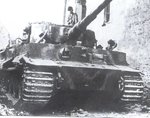
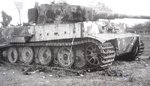
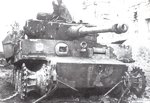
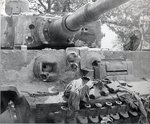
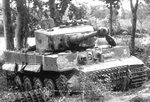
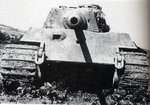
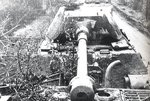
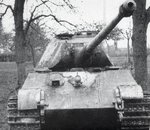
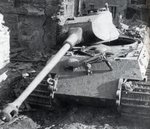
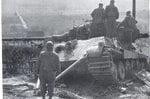
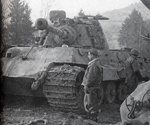
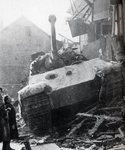
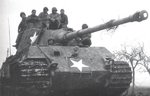
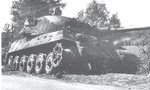
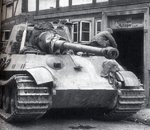
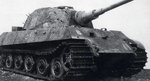
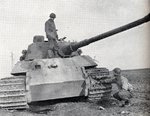
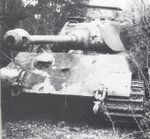
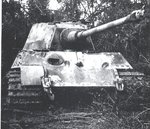
If indeed, the average number of hits needed to knock out a German tank was about ten, as you say, then one would expect to see a lot of German wrecked tanks with "about ten hits" on them. If we cant find that, then the original paramnreter has to be interrogated. If it was "about ten" needed to knock out a Tiger, why cant we find the evidence of that????
One explanation that might partially answer the issue is that many German tanks were not casualties from anti-tank fire.....perhaps they were knocked out because they ran out of fuel, perhaps some simply broke down, and there was not time to fix them....perhaps the tank was cornered and ran out of ammunition.....there are other variables at play that might skew the dataset....however, to try and say that the variable within the actual combat loss dataset is to fail to understand how OR works.
As an example (hypothetical....I am just trying to explain how the OR results might work)....say there are two units in the field that are exactly identical, except that one tends to engage Tigers at 1000 metres, and the the other at 200. The first takes, on average 10 hits to kill the Tiger, but loses 5 tanks in doing this, and for every enemy tank engaged, 5 escape ....The second unit only takes 2 hits to kill the Tigers, on average, but its loss rate is say 7 tanks to kill the tiger, however in this case for every 5 tanks engaged, 2 are destroyed.
Breaking this down it should be clear that engaging at 200m is better than engaging at 1000 even though the shorter range incurs a higher casualty rate for the friendly units. For a 40% increase in ones own casualties, one achieves a 100% increase in lethality of your attacks. For the allies, if these hypothetical figures were correct, the engagement advisory to be sent out to the field formations should be to close to 200 metres to engage the tigers.
So while the material presented by MK does tend to corroborate that the numbers of hits needed to knock out a Tiger was not ten (and this already and automatically takes into account the variable of range etc) I dont see how it can be of benefit to the frontline forces unless the circumstances of each engagement are known.