The shortcomings of the example :
- it involves a fllet CV vs. light CV. So the RN has the starting advantage here.
-"The Albacores are night capable and fitted with ASV radar." - Is this fact-backed, or another "what-if"?
-"The problem for the Americans is that their fighters cannot be used for search, they lack the navigational ability to do that effectively" - Now this is a stretch. The single-seaters would be hitting Fulmars hard , so there is no much of a recon job here. And even if Fulmars manage to pinpoint the CVL, the ship would not stay at the same spot just to please FAA. In the same time SBDs would be elusive targets for Fulmars.
-"The Fulmars can. This means that the SBDs have to severely dilute their strength to just locate the British carrier, whilst the British dont." - No that much a dilution. All CVL air group would be searching for the CV, making an attack when it's found.
-"This is because the American carrier commander would almost certainly limit the search range of his SBDs so that they can undertake armed recons to try and surpise the British carrier." - The USN commander would do that to please FFA? Still 250ml (SBD armed) vs. 150ml (Albacore armed) makes armed reconnaisance possible.
-"He then closes the range and launches a full strike at full range. Scratch one flat top....and all because the Fulmar was able to do two things and the Single seat fighters in the American inventory cannot." - So again USN commander need to cooperate so FAA could get him. The only capability of Fulmar in this example would be spotting. And the night attack by Albacore at open seas vs. moving target...
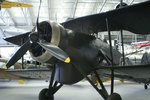
I'm sure that we could bend whatever it takes to find a favorable scenario where Fulmar would shine. However, many real examples made it's spotting ability* redundant, and fighter ability barely satisfying.
*I'm not sure about that either - was radar employed to find ships in Fulmar?
- it involves a fllet CV vs. light CV. So the RN has the starting advantage here.
-"The Albacores are night capable and fitted with ASV radar." - Is this fact-backed, or another "what-if"?
-"The problem for the Americans is that their fighters cannot be used for search, they lack the navigational ability to do that effectively" - Now this is a stretch. The single-seaters would be hitting Fulmars hard , so there is no much of a recon job here. And even if Fulmars manage to pinpoint the CVL, the ship would not stay at the same spot just to please FAA. In the same time SBDs would be elusive targets for Fulmars.
-"The Fulmars can. This means that the SBDs have to severely dilute their strength to just locate the British carrier, whilst the British dont." - No that much a dilution. All CVL air group would be searching for the CV, making an attack when it's found.
-"This is because the American carrier commander would almost certainly limit the search range of his SBDs so that they can undertake armed recons to try and surpise the British carrier." - The USN commander would do that to please FFA? Still 250ml (SBD armed) vs. 150ml (Albacore armed) makes armed reconnaisance possible.
-"He then closes the range and launches a full strike at full range. Scratch one flat top....and all because the Fulmar was able to do two things and the Single seat fighters in the American inventory cannot." - So again USN commander need to cooperate so FAA could get him. The only capability of Fulmar in this example would be spotting. And the night attack by Albacore at open seas vs. moving target...
I'm sure that we could bend whatever it takes to find a favorable scenario where Fulmar would shine. However, many real examples made it's spotting ability* redundant, and fighter ability barely satisfying.
*I'm not sure about that either - was radar employed to find ships in Fulmar?