
Nice shots!

Follow along with the video below to see how to install our site as a web app on your home screen.
Note: This feature may not be available in some browsers.
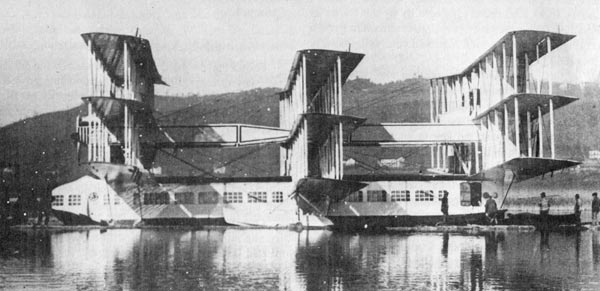
That can float? And/Or fly?

Float yes:That can float? And/Or fly?

All I can say is 'Oooooooooooh!'


Am pretty sure I 'designed' something like that .... when I was about 3......
I knew it would be French
IDK if
 GTX is Rex, if he whispers to his ears, is a patreon with early access or is it just a coincidence, but just fresh from the oven, Rex Hangar take of the Besson H-5:
Nope, am not...IDK if

Maybe a patreon or both living downunder make you thinking alike (the water or or too much chemistry in the chemtrails)...Nope, am not...
Float yes:
View attachment 852320
Fly: Supposedly it did ...once...on 21 July 1939. However, on 10 December 1939, the programme was cancelled as the French Navy had decided to use land based aircraft instead.


 www.avionslegendaires.net
IDK if
View: https://youtu.be/oKvQxPrbOgs?si=B5-qcma4sVPZ90b9
Perhaps they remained unknown to most designers because they were not around the engines but in front of the them. Perhaps they served two or three purposes. The main one seems to have a streamline exhaust system. May also have helped streamline the valve system? actual streamlining of the engine itself???We also notice Townsend-like rings around the radial engines, a design feature that remained unknown to most manufacturers in the mid-1920s.

IDK if
View: https://youtu.be/oKvQxPrbOgs?si=B5-qcma4sVPZ90b9


