One of the many reasons that a clock was fitted was for very basic navigation. Using the bat and ball in the basic six and turning for x seconds will give you y degrees direction change. LAter aircraft used fob watches that in many cases could be synchronised during pre take off briefings and were mounted in a rubber cup.
The old vacuum directional gyros were effected by precession so under read when turning one direction and over read while turning the opposite.
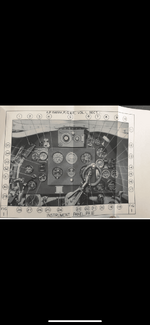
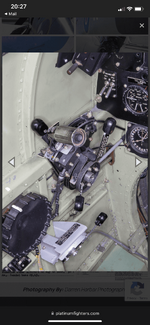
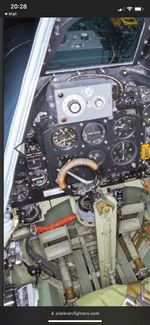
The four different clocks fitted to the Mk VC (and VIII) are shown below. I would expect the VA and VB, and other marks of the day to use the same clocks.
If you go to
Smiths jaeger mk3b there is a discussion on the aircraft types which use the Mk IIIB. Hudson and Beaufort for certain and possibly/probably other Coastal Command aircraft.
EDIT - the same thread has a simple description from one of Alan Hulme's books covering the differences between the various Mk III clocks and the RAF Ident numbers for each variant.
I personally doubt that the Mk IIIB was fitted to Spitfires as they were not capable of long flights whereas Coastal Command and bomber command aircraft would often start a flight before midnight and extend into the next day so it makes logical sense for the Mk IIIB being used on those aircraft. The small dial at the top of the clock is for recording elapsed time of the flight. To me there is no logical reason to fit a 24 hour clock to any aircraft that would never be operating past midnight.
View attachment 807507