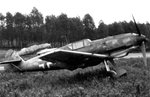
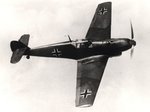
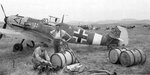
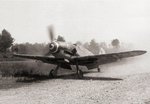
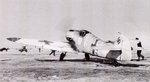
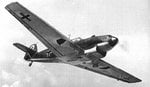
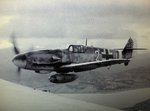
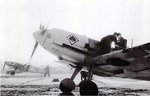
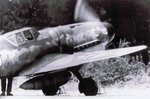
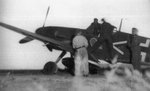
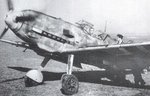
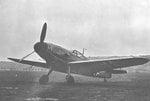
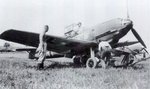
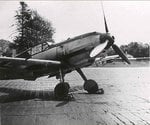
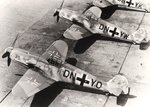
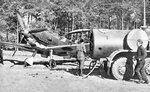
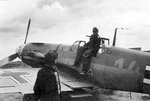
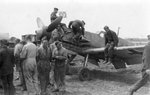
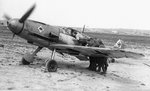
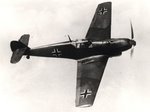
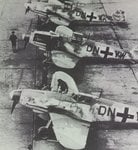
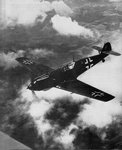
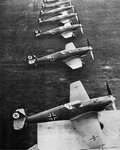
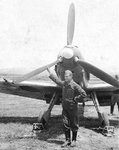
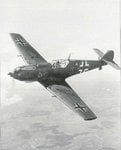
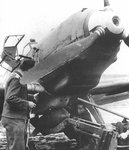
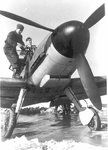
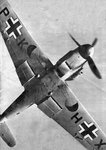
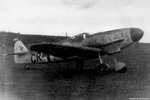
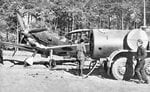
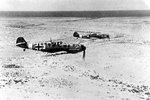
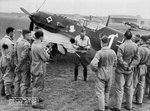
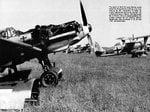
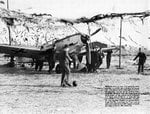
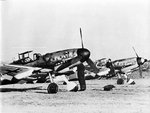
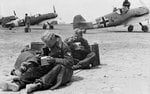
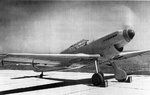
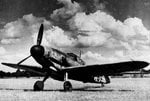
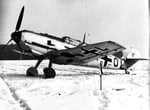
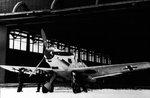
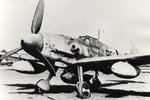
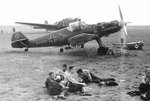
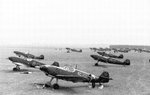
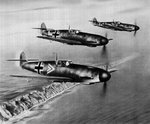
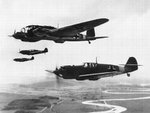
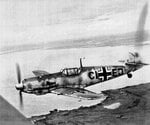
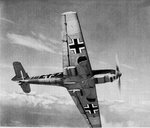
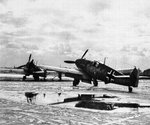
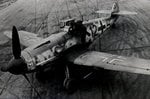
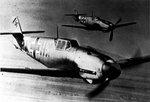
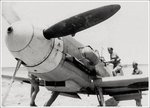
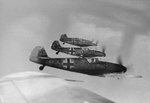
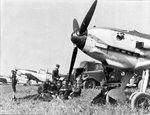
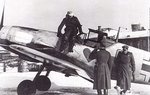
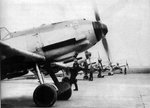
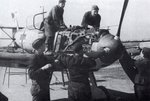
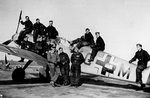
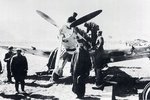
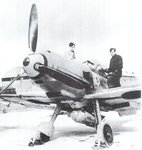
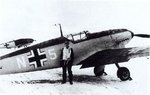
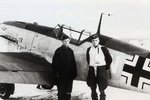
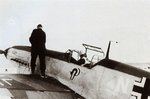
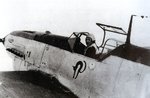
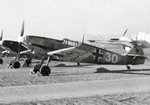
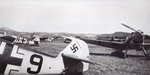
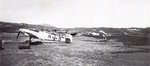
The Bf 109 was credited with more aerial kills than any other aircraft. One hundred and five (possibly 109) Bf 109 pilots were credited with the destruction of 100 or more enemy aircraft. Thirteen of these men scored more than 200 kills, while two scored more than 300. Altogether this group were credited with nearly 15,000 kills between them. Official ace status was granted to any pilot who scored five or more kills. Applying this to Luftwaffe fighter pilots and their records reveals that "Ace" status belonged to more than 2,500 German pilots. The majority of Bf 109 pilots scored their kills against the Soviets, however five pilots did record over 100 claims against the Western Allies. Luftwaffe records show that during Operation Barbarossa, German pilots claimed 7,355 kills on the Bf 109, between the seven Jagdgeschwader (JG 3, JG 27, JG 51, JG 53, JG 54, JG 77, and LG 2) for exactly 350 losses in aerial combat, a ratio of just over 21:1, and the highest achieved by the Germans on the Eastern Front.[3][4]During the latter part of the war, the Bf 109 was the selected aircraft that was used in the Rammkommando ELBE because of its lighter weight compared to the Fw 190. Between January and October 1942, a further 18 German pilots joined the select group that had now reached 100 kills over the Eastern Front. During this period Bf 109 pilots claimed 12,000 Soviet aircraft destroyed.
Arguably the most well known of all Bf 109 operations was the contest of air superiority between the Royal Air Force and the Luftwaffe during the Battle of Britain in the summer of 1940. The E-1 and E-4 variants bore the brunt of the battle. On 31 August 1940, fighter units (excluding JG 77) reported 375 E-1s, 125 E-3s, 339 E-4s and 32 E-7s on strength, indicating that most of the E-3s had been already converted to E-4 standard.[8] By July, one Gruppe (Wing) of JG 26 was equipped with the Bf 109 E-4/N model of improved performance, powered by the new DB 601N engine using 100 octane aviation fuel. The fuel-injected DB 601 proved most useful against the British Supermarine Spitfire and Hawker Hurricane, as the British fighters used gravity-fed carburetted engines, which would cut-out under negative g-forces whereas the DB 601 did not. The Bf 109s thus had the initial advantage in dives, either during attack or to escape, in that it could 'bunt' directly into a dive with no loss of power. Another difference was the choice of fighter armament: the RAF's Hurricanes and Spitfires in the main used eight 7.7 mm (.303 in) machine guns. Most Bf 109E variants (E-3, E-4, E-7) carried two 7.92 mm (.312 in) MG 17s and two 20 mm MG FF cannon. The latter fired mixed types of ammunition, including Minengeschoß type high-capacity explosive shells which were highly destructive, but had different ballistic properties to the MG 17s. The MG FFs had a relatively small ammunition supply compared to the machineguns, each being fed by a 60-round capacity drum magazine. Making up about one-third of the Bf 109Es in the Battle, the E-1s, carried an all-machinegun armament of four 7.92 mm (.312 in) MG 17 machineguns, but were provided with a total of 4,000 rounds.
British pilots who tested a captured Bf 109 E-3 liked the engine and throttle response, the docile and responsive handling and stall characteristics at low speeds, but criticised the high-speed handling characteristics (in part due to the automatic wing slats opening), poorer turning circle (850ft as opposed to 680ft for the Spitfire), and great control forces required at speed (in part because of rudder pedal position and a lack of trim tabs). In August 1940, comparative trials were held at the E'Stelle Rechlin, with the leading Luftwaffe ace Werner Mölders being one of the participants. The tests concluded that the Bf 109 had superior level and climb speed to the Spitfire and Hurricane at all altitudes, but also noted the significantly smaller turning circle of the British fighters (more than one british pilots combat reports bear this out, having used the tighter turning circle of their aircraft to get into firing position, or conversely used it to get out of the way of a 109). It was advised not to engage in turning dogfights unless the performance advantage of the Bf 109 could be used to full effect. The roll rate of the Bf 109 was deemed superior as was its stability on target approach. Mölders himself called the Spitfire "miserable as a fighting aircraft", due to its two-pitch propeller and the inability of its carburettor to handle negative g-forces. His complaint regarding the propeller was that with one setting selected the pilot was at risk of over-revving and stressing the engine, but conversely, selecting the other setting meant the aircraft could not run at its best (a situation roughly analogous to a car having too much of a gap between transmission ratios) It should be noted, however, that in the political climate of the times there was often a considerable amount of propaganda written into such reports by both sides[12] or the information quickly become outdated; for example, as a result of a crash programme, all Spitfires and Hurricanes were retrofitted with either Rotol or Hamilton constant-speed propellers by 16 August 1940.
During the Battle of Britain, the Bf 109's chief disadvantage was its short range (partly caused by the high fuel consumption of the fuel injected engine): like most of the 1930s monoplane interceptors, it was designed to engage enemy bombers over friendly territory, and the range and endurance necessary for escorting long-ranged bombers over enemy territory was not required. During the Battle, when escorting bombers from their bases in northern France, The Netherlands and Germany, the Messerschmitt had only around 15 minutes of fuel for combat over southern England before having to turn back. The Spitfire and Hurricane, designed with similar operational requirements in mind, had a tactical advantage as they were operating virtually over their home airfields, and thus being able to remain longer in the combat area.