Adelaide Model Expo (2009)

Ad: This forum contains affiliate links to products on Amazon and eBay. More information in Terms and rules

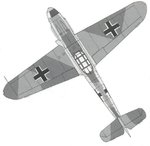
The scheme looks like a close (but not quite) representation of a factory splinter scheme used on the 109E. On these schemes, splinters stopped or changed at the flap and aileron edges. G Models had a different factory scheme. Source: Luftwaffe Colours by Ullmann
 
Wing camo does not extend to the flaps/ailerons because they have been replaced due to operational damage? Or is that typical? Where's Erich when we need him.

yes the scheme was used!
 

Attachments

  • Camo Bf109_2.JPG
    Camo Bf109_2.JPG
    61.8 KB · Views: 130
I love to learn from you guys! A lot of WWII aviation history snobs bad mouth modellers. I think they have it completely wrong. When you can hold these airplanes in your hands and study them, it is MUCH easier to learn and remember details. Keep 'em comin' Wayne!
 
The '109 camouflage scheme shown was carried on with the 'F' and early 'G' models, before the introduction of the time saving 'simplified' scheme, which in turn gave way to an even more simplified, soft edged scheme. The original asymetric pattern was designed to add to the disruptive effect of the splinter pattern, and was very effective. This scheme was gradually replaced in order to save on production time and materials, as well as being part of the 'development chain' of camouflage in general.
Interesting point about some aviation 'historians' bad-mouthing modellers Matt. It is often the case that a modeller is a historian (or at least amateur historian) first, and modelling is a logical progression or 'off shoot'. In many cases, this can mean that the dedicated modeller, striving for accuracy, can know more about, for example, the background of the subject, it' s operational use, units, crews etc etc, than the so-called aviation 'expert' wil ever know!
 

Users who are viewing this thread

Back