I wouldn't get too excited. They have recommended changing the rules. They haven't agreed to a whole host of things, including
a) The committee's representatives decided that in the future, the Swiss government may sometimes limit the validity of such a declaration to five years.
b) However, certain conditions must be met. The country receiving the weapons must not seriously violate human rights. In addition, there must be no danger that military materials will be used against the civilian population.
c) The country should not be involved in an internal or international armed conflict. The only exception is if a country like Ukraine defends itself against aggression, in accordance with international law.
d) The UN must determine the last point: the re-export of Swiss weapons to a war zone is proposed to be allowed only if the UN General Assembly recognises such self-defence by a two-thirds majority or if the Security Council adopts a corresponding resolution.
e)Now, the Committee on the Security Policy of the National Council has to develop a corresponding draft law. It is uncertain whether Ukraine will get any real benefits from this decision.
If the proposal passes the parliament, a referendum is possible, and the people will decide the fate of the re-export of Swiss weapons. This may take some time.
Many questions remain open. Among other things, it will be necessary to examine in detail whether this decision is compatible with the neutrality law.
The parliament predicts that if the procedure for approving the re-export of weapons ends positively, the decision will take effect in spring 2024.
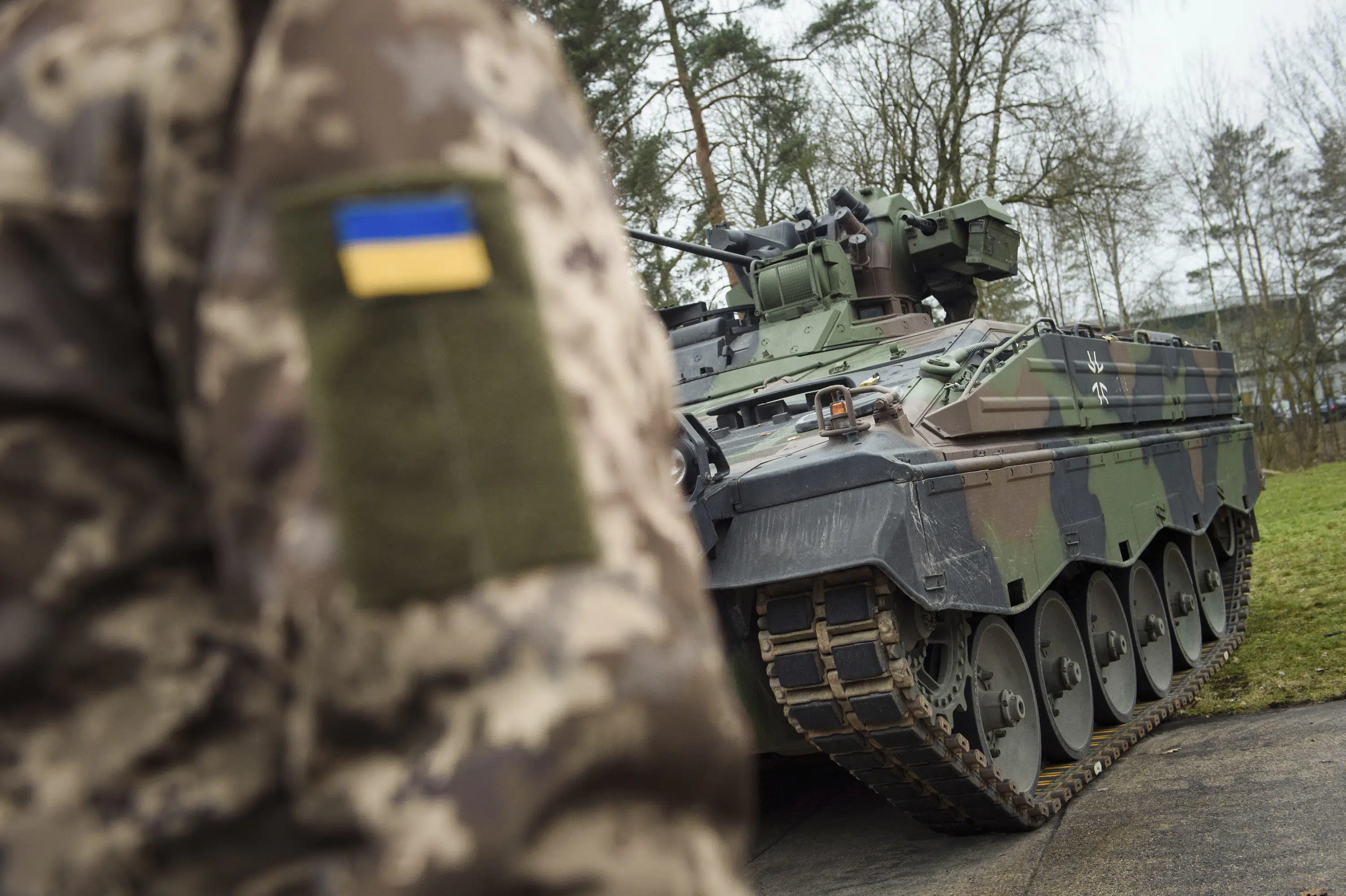
The decision was only made due to serious pressure from abroad. Germany, for example, wanted to supply ammunition for Gepard anti-aircraft guns to Ukraine and machine gun ammunition. Denmark applied to Bern for permission to supply
Piranha III armoured personnel carriers to Ukraine. However,
Switzerland rejected both applications



news.yahoo.com