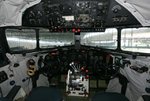
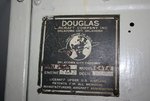
When these were two separate threads, this was my answer to the DC-3 part of the question;
The DC-3 was designed as the DST, which stood for Douglas Sleeper Transport. To this end Douglas gave it a wider fuselage than the preceding DC-2, this was to accomodate sleeping berths for long distance flights.
However, when fitted with more seats instead the DC-3 had the same seating capacity as, for example, Imperial Airways huge, heavy and four engined HP.42's - It was also a stressed skin monoplane with a retractable undercarriage, flying before the Bf 109 and Spitfire! The modern economical airliner had just been invented, although it was not the first with these features, the combination of them coupled with the planes abilities made it as revolutionary in its time as the 707 and 747 would later be.
When WW2 ended lots of ex service pilots were looking to start up transport services (as well as the pre war airlines looking to reboot, as it were. Buying new aircraft would have been prohibitively expensive, but a near 10,000 C-47's were built in WW2 and the majority of these were now war surplus and thus available for peanuts to crews who, in many cases knew them inside out. The transport boom ensued and, as late as 1965, the DC-3 was the most widely used airliner in the world. For a time BEA even operated a turboprop verion powered by R-R Darts!
The vast regional market it created led to the 'DC-3 REPLACEMENT' being a holy grail chased by manufacturers that gave us the Fokker F.27 and Hawker Siddeley 748 amongst many more. The regional Bombardier Q400's etc that you fly in today are a direct descendant of those DC-3 operations.
That is why it is so famous and revered, it was the most influential single type of aeroplane ever built.



 and was durable..and aviable